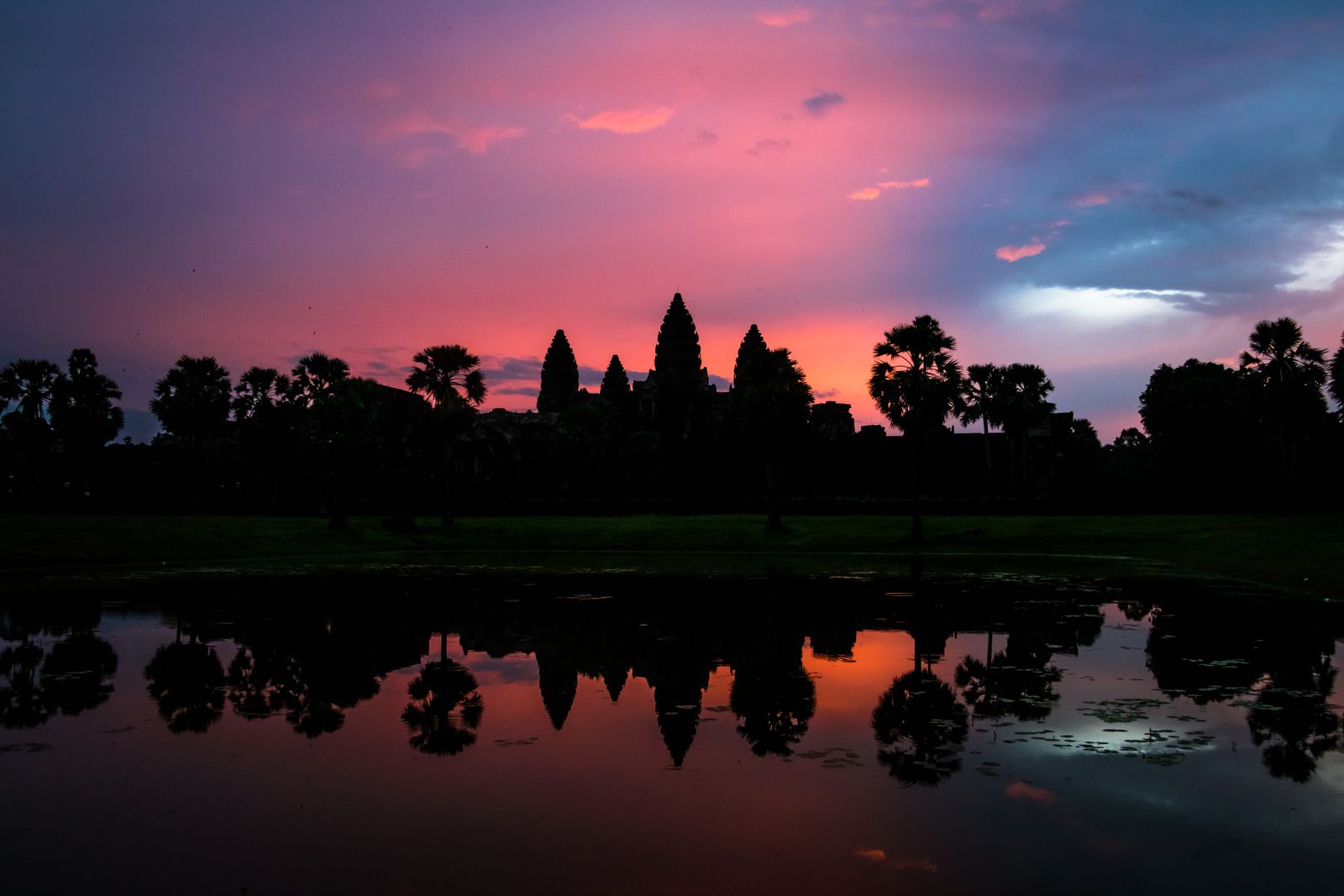
Temples & History in Cambodia
2,000 Years of Khmer Civilization
Quick Answer
Cambodia's temples are among the world's greatest architectural wonders. The Angkor Archaeological Park near Siem Reap contains over 100 temples across 400 square kilometres — including Angkor Wat, the world's largest religious monument. A 3-day Angkor Pass gives unlimited access over 10 days. November to March is the best time to visit during the dry season.
Top Temples & History Experiences in Cambodia
Editor-curated picks — click any experience to explore further.
- 1 Temple UNESCO
Angkor Wat
Siem Reap
The world's largest religious monument — unmissable at sunrise
- 2 Temple UNESCO
Bayon Temple
Siem Reap
216 enigmatic stone faces, the heart of ancient Angkor Thom
- 3 Temple UNESCO
Ta Prohm
Siem Reap
Jungle-wrapped ruins left unrestored — silk-cotton trees consume the stones
- 4 Temple UNESCO
Banteay Srei
Siem Reap
Finest stone carvings in the Khmer world, 37km northeast of Siem Reap
- 5 Temple UNESCO
Preah Khan
Siem Reap
A magnificent ruin — quieter than the main sites, atmospheric and immense
- 6 Temple
Beng Mealea
Siem Reap
Unrestored jungle ruin — Angkor as 19th-century explorers first found it
- 7 Temple UNESCO
Sambor Prei Kuk
Kampong Thom
Pre-Angkorian temples (6th–8th century), UNESCO listed, far fewer crowds
- 8 Temple UNESCO
Prasat Preah Vihear
Preah Vihear
Dramatic mountaintop temple on the Thai border, UNESCO World Heritage
- 9 Temple UNESCO
Koh Ker
Preah Vihear
Forgotten 10th-century capital with a climbable seven-tiered pyramid
- 10 Temple
Banteay Chhmar
Banteay Meanchey
Angkor Thom's scale near the Thai border, with almost no visitors
- 11 Museum UNESCO
Tuol Sleng Genocide Museum (S-21)
Phnom Penh
Confronting, essential — the former Khmer Rouge prison turned museum
- 12 Memorial UNESCO
Choeung Ek Killing Fields
Phnom Penh
A memorial stupa and former mass grave site — sobering and essential
Ancient Angkor Temples
Spread over 400 square kilometres, Angkor contains the remains of the Khmer Empire's various capitals. A 3-day Angkor Pass allows you to explore at your own pace — don't try to rush it.
Angkor Wat
Siem Reap
The iconic five-towered temple, sunrise essential
Bayon
Siem Reap
216 stone faces across 54 towers, the most enigmatic temple in the park
Ta Prohm
Siem Reap
Silk-cotton trees swallowing ancient stone, left deliberately unrestored
Preah Khan
Siem Reap
A magnificent ruin, quieter than the main sites
Banteay Srei
Siem Reap
37km from Siem Reap, finest stone carvings you'll see anywhere
Angkor National Museum
Siem Reap
Context before or between temples — Khmer religion, costume, and the kings of Angkor
Beyond Angkor — Pre-Angkorian & Border Temples
Cambodia's temple culture extends far beyond Siem Reap.
Sambor Prei Kuk
Kampong Thom
Pre-Angkorian temples (6th–8th century), UNESCO listed, far fewer crowds
Prasat Preah Vihear
Preah Vihear
Dramatic mountaintop temple on the Thai border, UNESCO World Heritage
Koh Ker
Preah Vihear
Forgotten 10th-century capital with a climbable seven-tiered pyramid
Beng Mealea
Siem Reap
Unrestored jungle temple 40km east of Angkor, like Angkor 50 years ago
Hidden Angkor-Era Temples Beyond Siem Reap
Most visitors never see a Khmer Empire temple outside Siem Reap — yet some of the most atmospheric are scattered across the rest of the country, often with no one else around.
Wat Nokor
Kampong Cham
A 12th-century sandstone temple absorbed into a living, working Buddhist pagoda
Banteay Chhmar
Banteay Meanchey
Angkor Thom's scale near the Thai border, with a community-run homestay program
Tonle Bati
Takéo
A lakeside Angkorian temple where locals picnic alongside 800-year-old stone
Phnom Chisor
Takéo
An 11th-century hilltop sanctuary with 40km views, a steep 400-step climb
Phnom Sampeau
Battambang
A hilltop temple above the sobering Killing Caves, with a dusk bat exodus
Wat Banan
Battambang
A quiet, climbable 'mini Angkor Wat' with five towers and almost no visitors
Museums & Memorials in Phnom Penh
Phnom Penh layers French colonial architecture over a Khmer foundation, then carries the traumatic weight of the Khmer Rouge era (1975–79). Together, these sites form one of the most emotionally charged — and historically essential — city experiences in Southeast Asia.
Royal Palace & Silver Pagoda
Phnom Penh
Cambodia's gleaming royal residence and a 17th-century emerald Buddha
National Museum of Cambodia
Phnom Penh
The world's finest collection of Khmer sculpture and bronzework
Tuol Sleng Genocide Museum (S-21)
Phnom Penh
The former Khmer Rouge interrogation centre, confronting and essential
Choeung Ek Killing Fields
Phnom Penh
A memorial stupa and former mass grave site, best visited straight after Tuol Sleng
Living Buddhist Culture
Cambodia's temples are not merely ruins — 95% of Cambodians identify as Theravada Buddhist, and most wats (temples) are active religious sites. The sight of saffron-robed monks collecting alms at dawn, or the smell of incense at a local pagoda, is as much a part of Cambodia's temple experience as the stone monuments themselves.
Temples & History for Every Type of Traveler
First-time Visitor
Spend 3 days on the Angkor circuit — Angkor Wat at sunrise, Bayon at midday, Ta Prohm in the afternoon. Add Banteay Srei on day four.
See itineraryHistory Buff
Go beyond Angkor — Sambor Prei Kuk, Koh Ker, Banteay Chhmar, and the Killing Fields give the full arc of Cambodian history from the 6th century to the 1970s.
See itineraryPhotographer
Angkor Wat at sunrise (arrive by 5:15am) and Ta Prohm at golden hour. Bayon's stone faces work best in soft morning light — hire a tuk-tuk for the full day.
See itineraryFamily with Kids
Bayon's giant stone faces and the intricate carvings at Banteay Srei delight children. The Angkor National Museum has engaging exhibits for older kids.
See itineraryWhere in Cambodia?
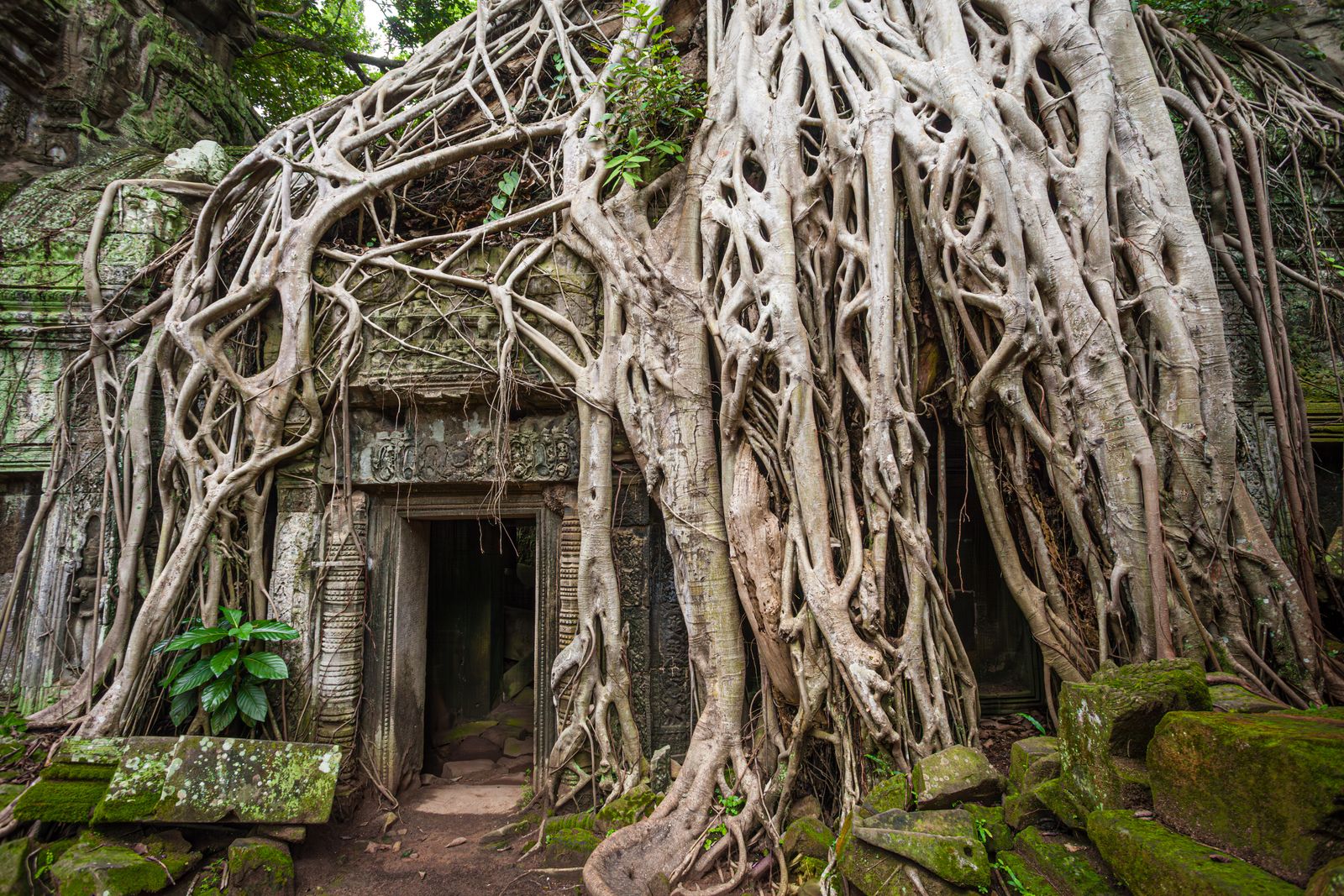
Siem Reap
Gateway to the Ancient World
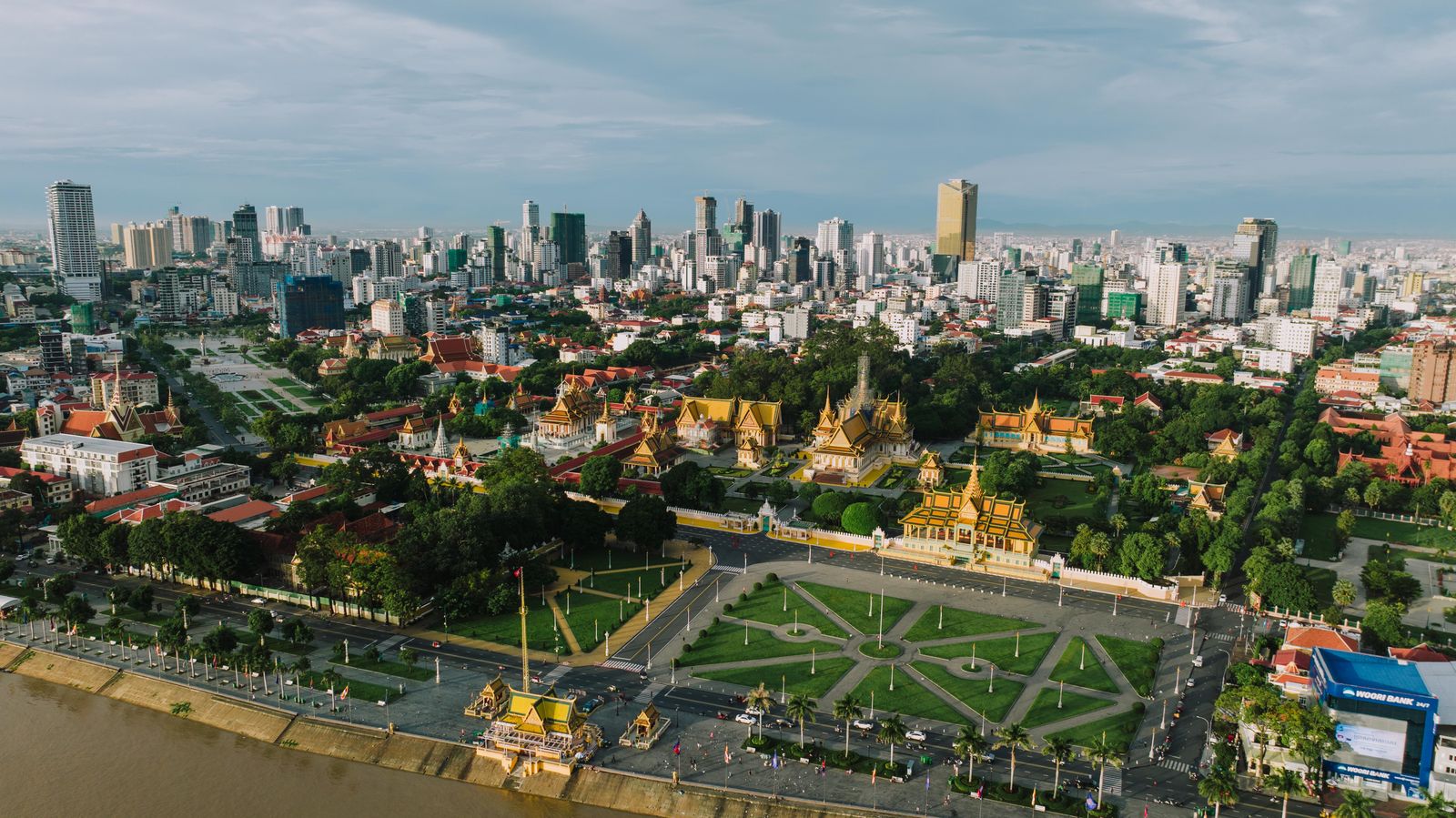
Phnom Penh
City of the Four Faces
Battambang
Cambodia's Most Underrated City

Kampong Cham
Mekong Temples & Rubber Plantations

Banteay Meanchey
Gateway to the Northwest

Kampong Thom
Pre-Angkorian Temples & Silk Villages

Preah Vihear
Remote Temples & Highland Forests

Takéo
Ancient Temples & Tonle Bati
Best Time for Temples & History in Cambodia
Dry Season — Nov to Apr
Clear skies, cool temperatures, and easy access across Cambodia. Ideal for temples, trekking, and beach visits. Peak season (Dec–Jan) brings the most visitors and highest prices — book accommodation in advance.
RecommendedGreen Season — May to Oct
Lush green landscapes, fewer crowds, lower prices, and full-flow waterfalls. Rain falls mostly in afternoon downpours — mornings are often clear. Bioluminescence peaks on the coast. Temples are quieter and photogenic with moody skies.
Budget-friendlyHow to Experience Temples & History in Cambodia
Getting There
Most visitors fly into Phnom Penh (PNH) or Siem Reap (REP). Budget carriers including AirAsia and Bangkok Airways connect both cities to regional hubs. Overland from Thailand or Vietnam is straightforward and popular.
What to Bring
Lightweight, breathable clothing. Temples require covered shoulders and knees — a scarf doubles as both cover-up and temple-appropriate wear. Reef-safe sunscreen for coastal areas. A good insect repellent for jungle and evening activities.
Guided vs Self-Guided
Most Cambodian experiences can be done independently. Guided tours add significant value at historical sites (context, access, storytelling) and for wildlife experiences (safety, specialist knowledge). Licensed guides cost $30–50/day and are available through hotels.
Budget Guide
Cambodia is excellent value. Budget travellers: $30–50/day (dorm, street food, local transport). Mid-range: $60–100/day (guesthouse, restaurant meals, tuk-tuk). The Angkor Pass is $37/day or $62 for 3 days — the main fixed cost for temple visitors.
Suggested Itineraries
Frequently Asked Questions
Do you need a guide to visit Angkor Wat?
What is the dress code for temples in Cambodia?
How many days do you need for the Angkor temples?
What does an Angkor Pass cost?
What is the best time of day to visit Angkor Wat?
Plan Your Cambodia Trip
Get expert advice on visas, the best time to visit, budgets, and curated itineraries built around what you love most about Cambodia.