Phnom Penh
City of the Four Faces
Best For
History & Culture · Food Scene
Stay
2–3 days
Best Time
November to February
Type
Top Destination
About
Why Visit Phnom Penh?
Cambodia’s capital is a city that demands to be understood. Phnom Penh wears its history openly — the devastating genocide of the Khmer Rouge era is documented at the Tuol Sleng Genocide Museum and the Choeung Ek Memorial, experiences that are sobering but essential. Yet this is also a city of extraordinary resilience, where that history has been met with warmth, creativity, and an infectious energy.
The Royal Palace & Silver Pagoda
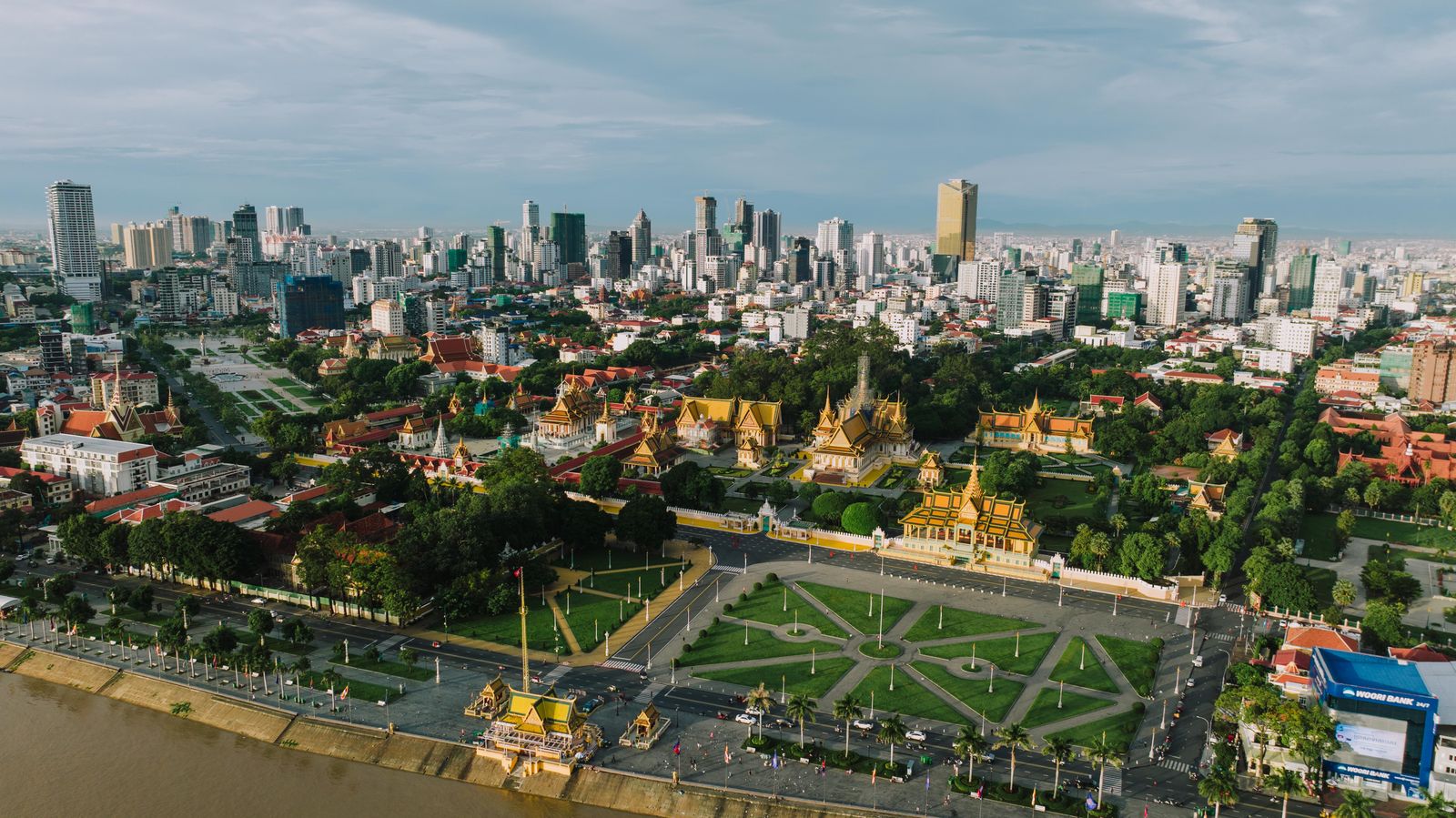
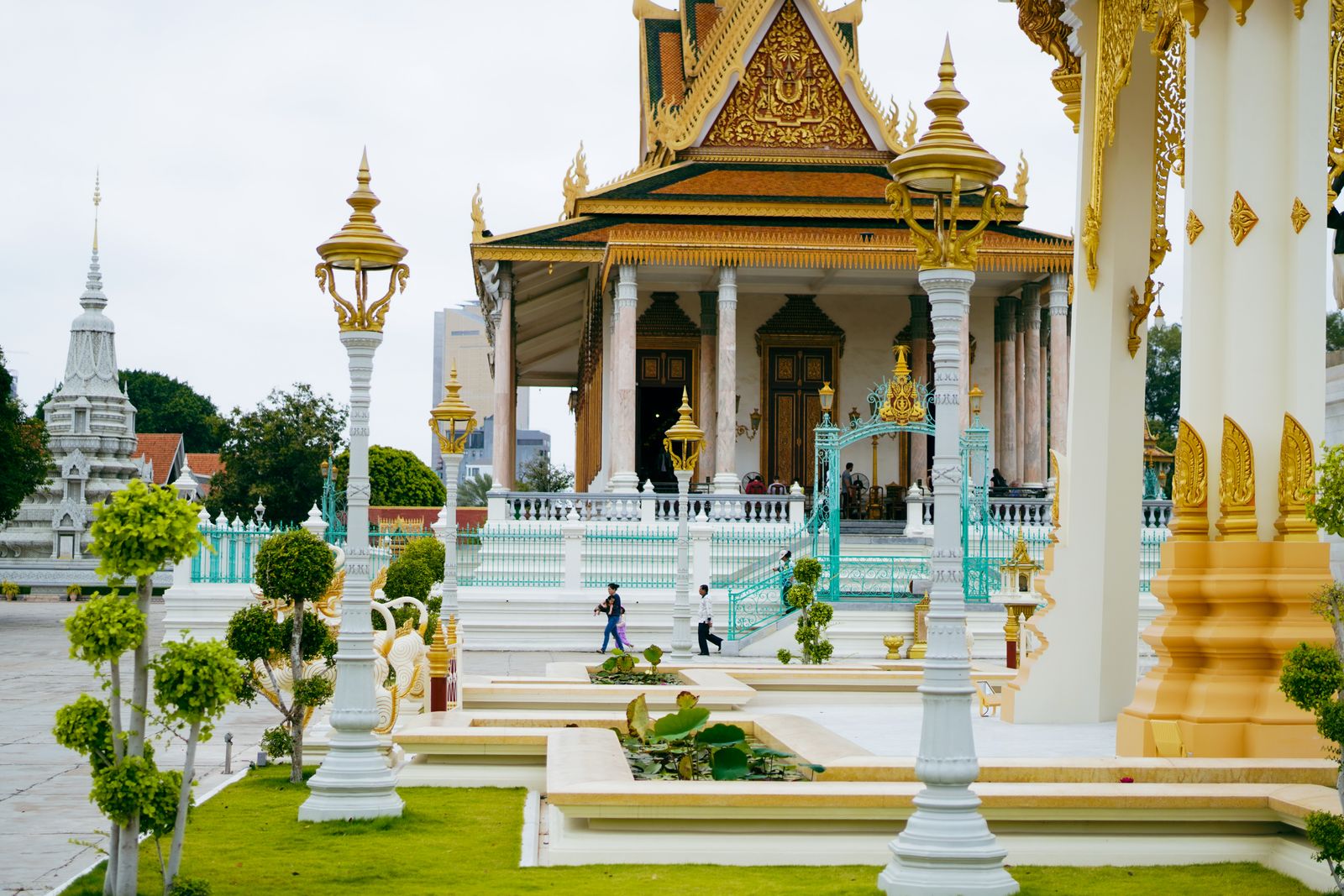
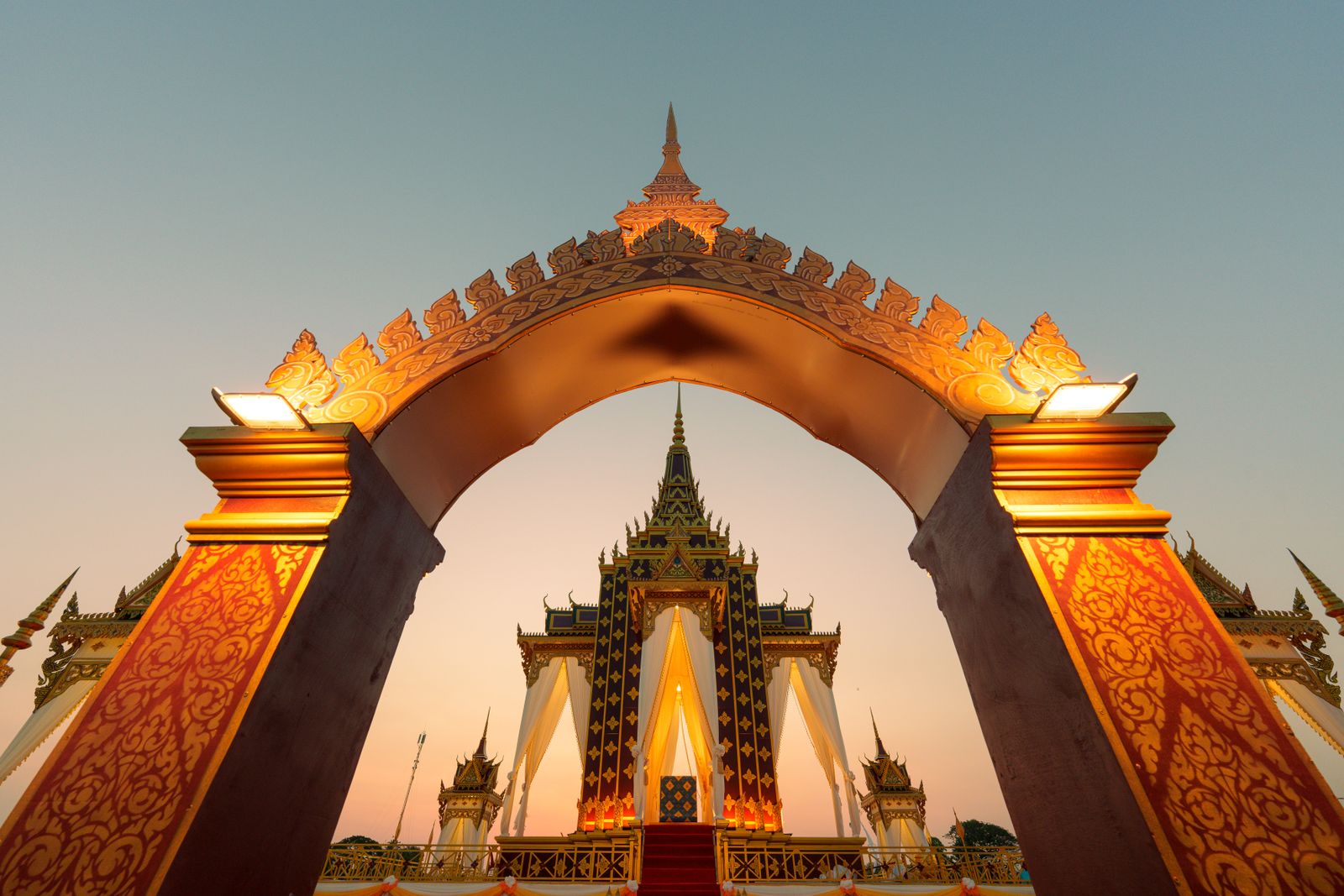
The Royal Palace complex, gleaming gold on the Tonle Sap waterfront, is the spiritual heart of Cambodia. The adjacent Silver Pagoda — named for its floor of 5,000 silver tiles — houses a 17th-century emerald Buddha and a life-size gold Buddha encrusted with 9,584 diamonds. Photography is restricted inside but the grounds are magnificent.
The Food Scene
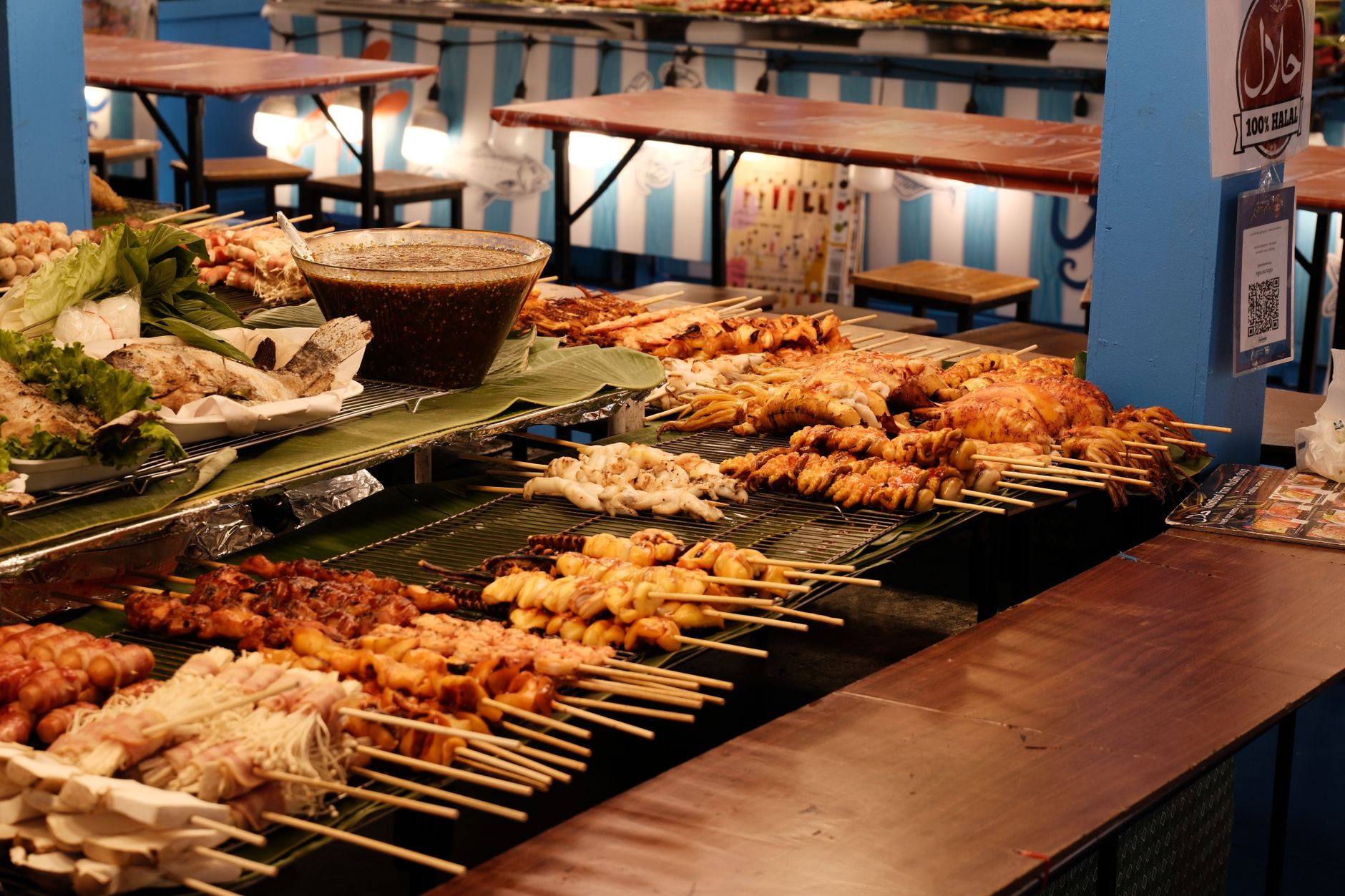
Phnom Penh’s restaurant scene has exploded in recent years. The riverside is lined with international restaurants, but it’s in the local markets — Orussey Market, Russian Market (Toul Tom Poung) — that you’ll find the real Cambodia. Don’t miss bai sach chrouk (pork and rice) for breakfast, or the incredible street food along Street 278.
The Riverfront
The wide riverside promenade along Tonle Sap is the social spine of the city — perfect for an evening stroll, with vendors selling grilled corn and sugar cane juice. Sunset over the river, with the Royal Palace lit up behind you, is one of Phnom Penh’s great pleasures.
Getting There
Phnom Penh International Airport (PNH) connects to major Asian hubs. Most overland routes from Vietnam, Thailand, and Siem Reap also pass through Phnom Penh.
Highlights
Top Things to Do in Phnom Penh
- 1 Royal Palace Cambodia's Golden Royal Residence
- 2 Tuol Sleng Genocide Museum S-21 — Cambodia's Khmer Rouge History, Confronted Directly
- 3 Choeung Ek Killing Fields A Memorial to Cambodia's Khmer Rouge Victims
- 4 National Museum of Cambodia The World's Finest Collection of Khmer Art
- 5 Friends the Restaurant A Training Restaurant for Former Street Youth
- 6 Sovanna Phum Arts Association Shadow Puppetry, Mask Dance & Folk Music, Live Since 1994
- 7 CTN Kun Khmer Stadium Live Pradal Serey (Kun Khmer) Kickboxing, Ringside
- 8 Romdeng Restaurant Authentic Provincial Khmer Cooking, Another Mith Samlanh Kitchen
- 9 Phnom Penh Night Market A Weekend-Only Riverside Market for Street Food and Crafts
- 10 Phsar Tmei (Central Market) Phnom Penh's Art Deco Landmark Market
- 11 Bai Sach Chrouk, Street 19 Phnom Penh's Best-Known Pork and Rice Stall
- 12 Malis Restaurant Cambodia's Benchmark Fine-Dining Khmer Restaurant
Places
Where to Go in Phnom Penh
 museum
 Royal Palace
Cambodia's Golden Royal Residence
 museum
 Tuol Sleng Genocide Museum
S-21 — Cambodia's Khmer Rouge History, Confronted Directly
 memorial
 Choeung Ek Killing Fields
A Memorial to Cambodia's Khmer Rouge Victims
 museum
 National Museum of Cambodia
The World's Finest Collection of Khmer Art
 experience
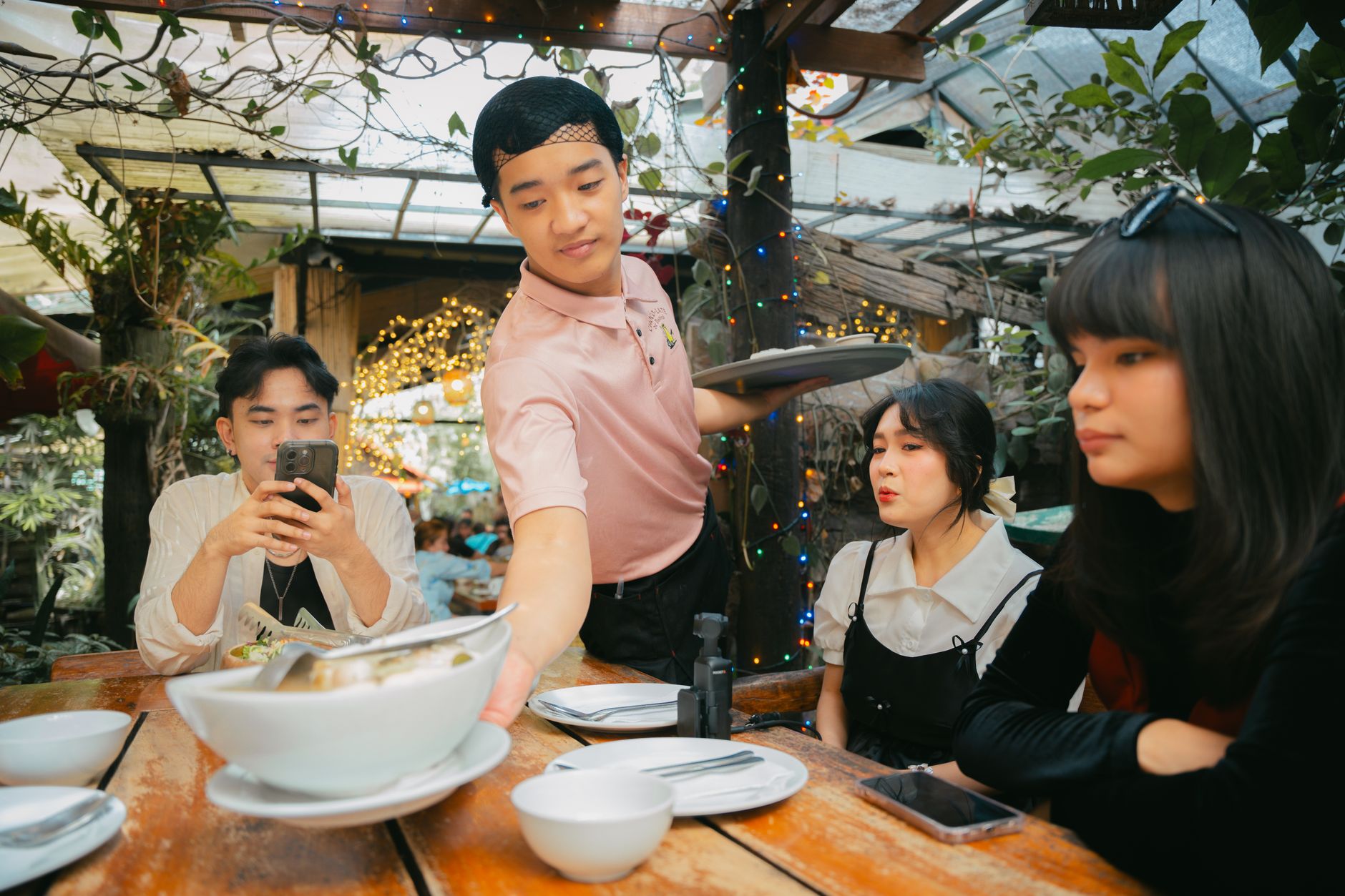
 Friends the Restaurant
A Training Restaurant for Former Street Youth
 experience
 Sovanna Phum Arts Association
Shadow Puppetry, Mask Dance & Folk Music, Live Since 1994
 experience
 CTN Kun Khmer Stadium
Live Pradal Serey (Kun Khmer) Kickboxing, Ringside
 experience
 Romdeng Restaurant
Authentic Provincial Khmer Cooking, Another Mith Samlanh Kitchen
 market
 Phnom Penh Night Market
A Weekend-Only Riverside Market for Street Food and Crafts
 market
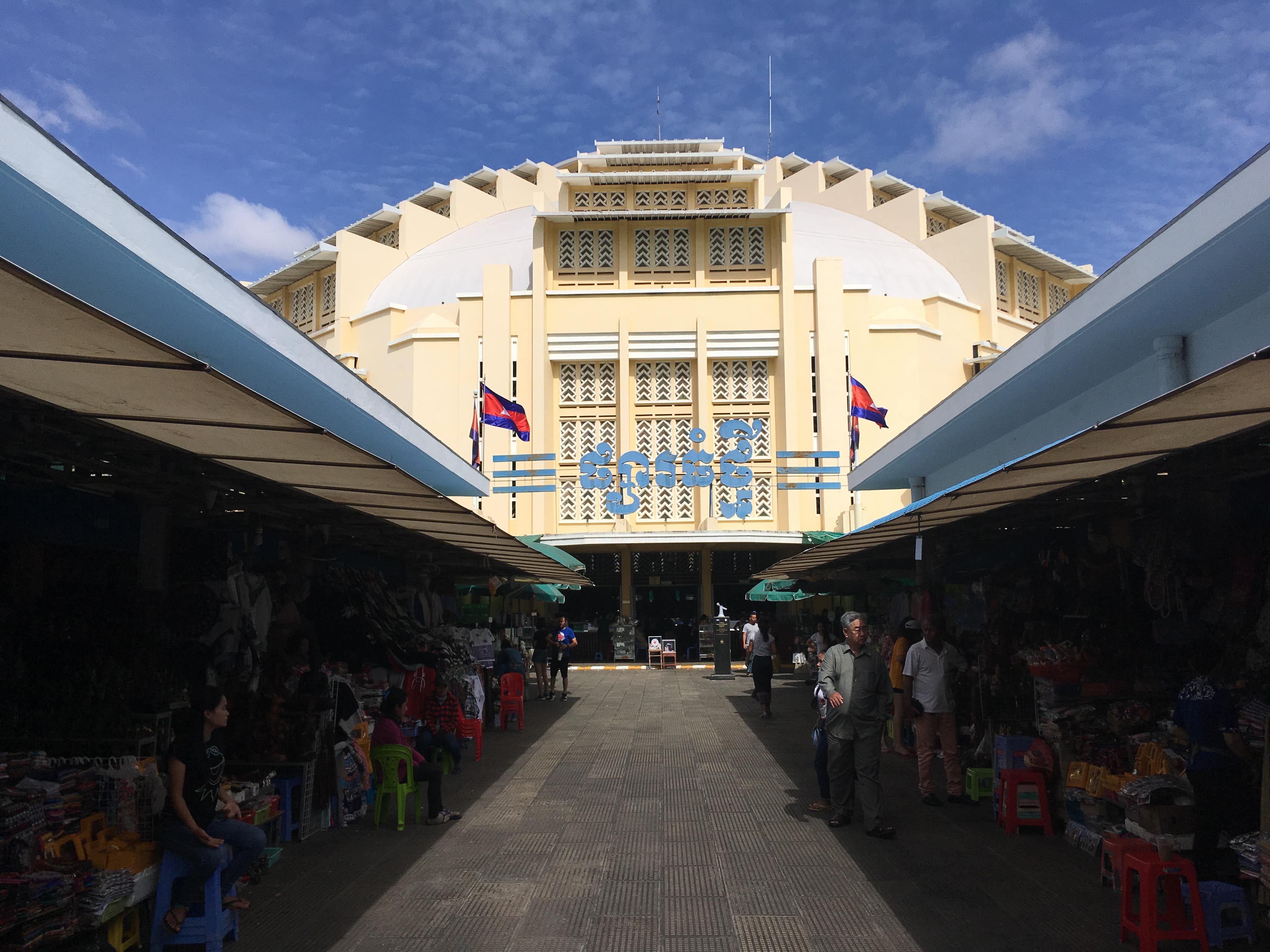
 Phsar Tmei (Central Market)
Phnom Penh's Art Deco Landmark Market
 experience
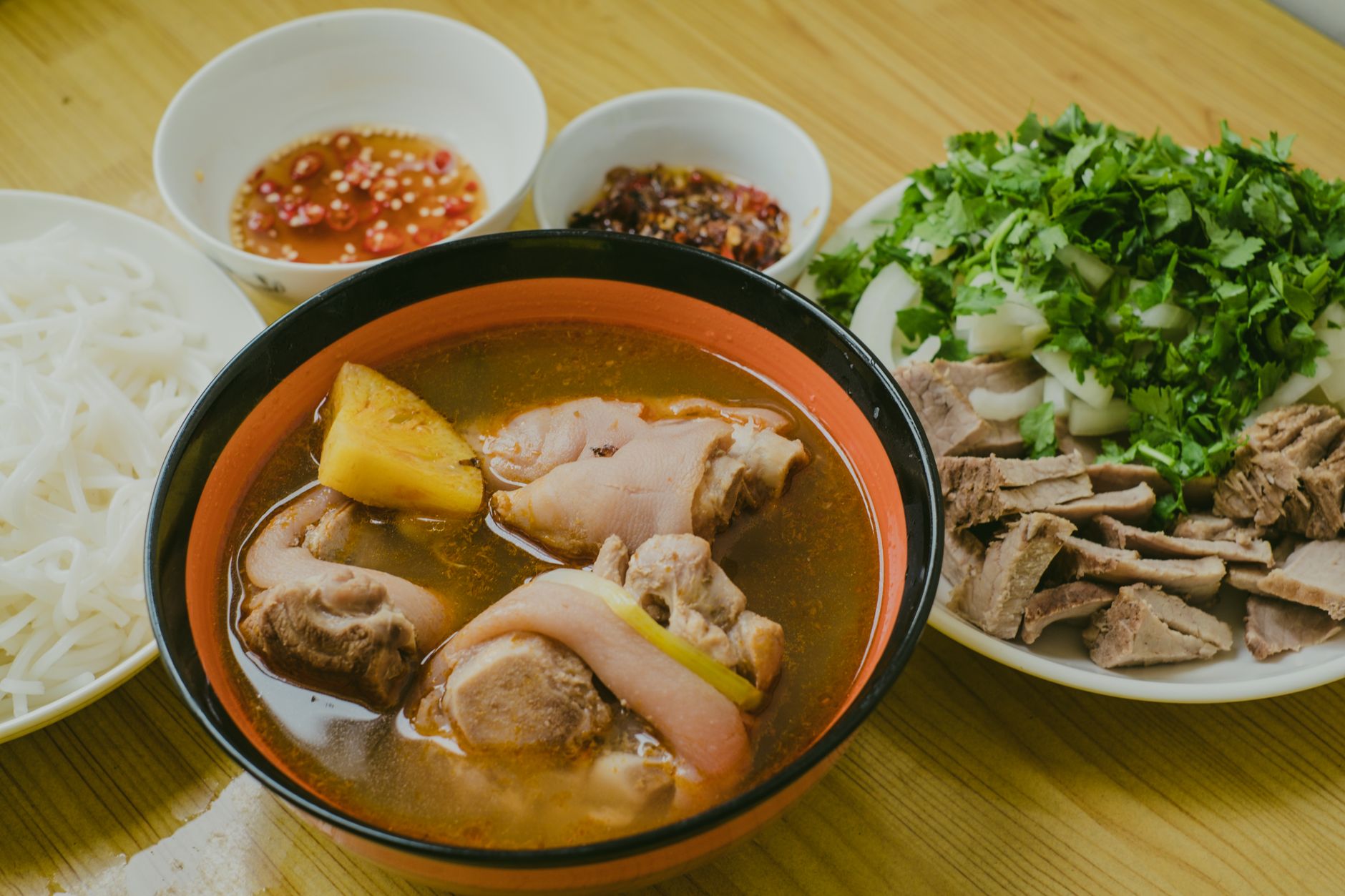
 Bai Sach Chrouk, Street 19
Phnom Penh's Best-Known Pork and Rice Stall
 experience
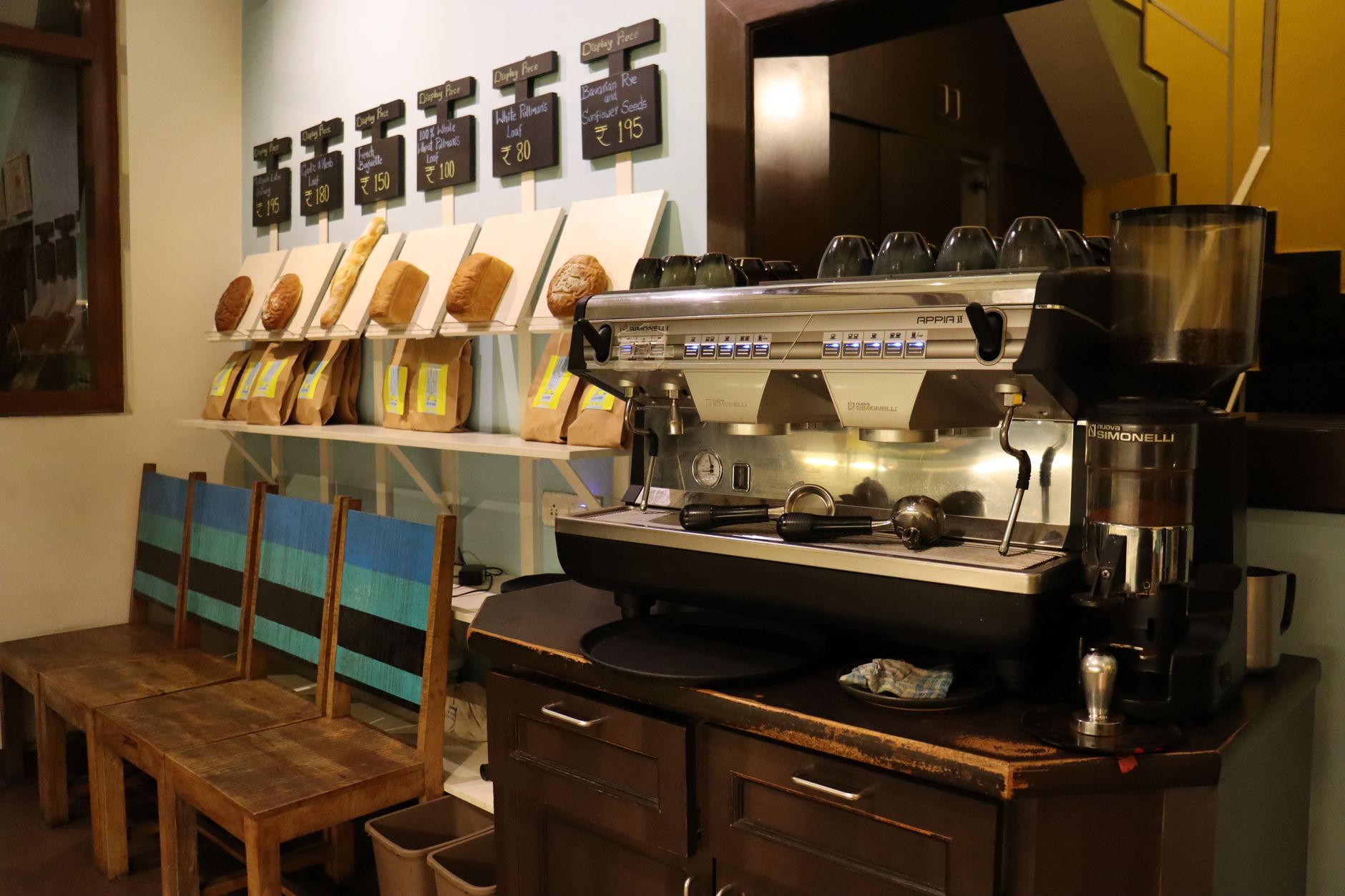
 Malis Restaurant
Cambodia's Benchmark Fine-Dining Khmer Restaurant
 experience
 Daughters of Cambodia Café
A Social-Enterprise Café Helping Women Exit the Sex Industry
 market
 Russian Market (Toul Tom Poung)
Phnom Penh's Best Market for Souvenirs, Silk and Bargains
 other
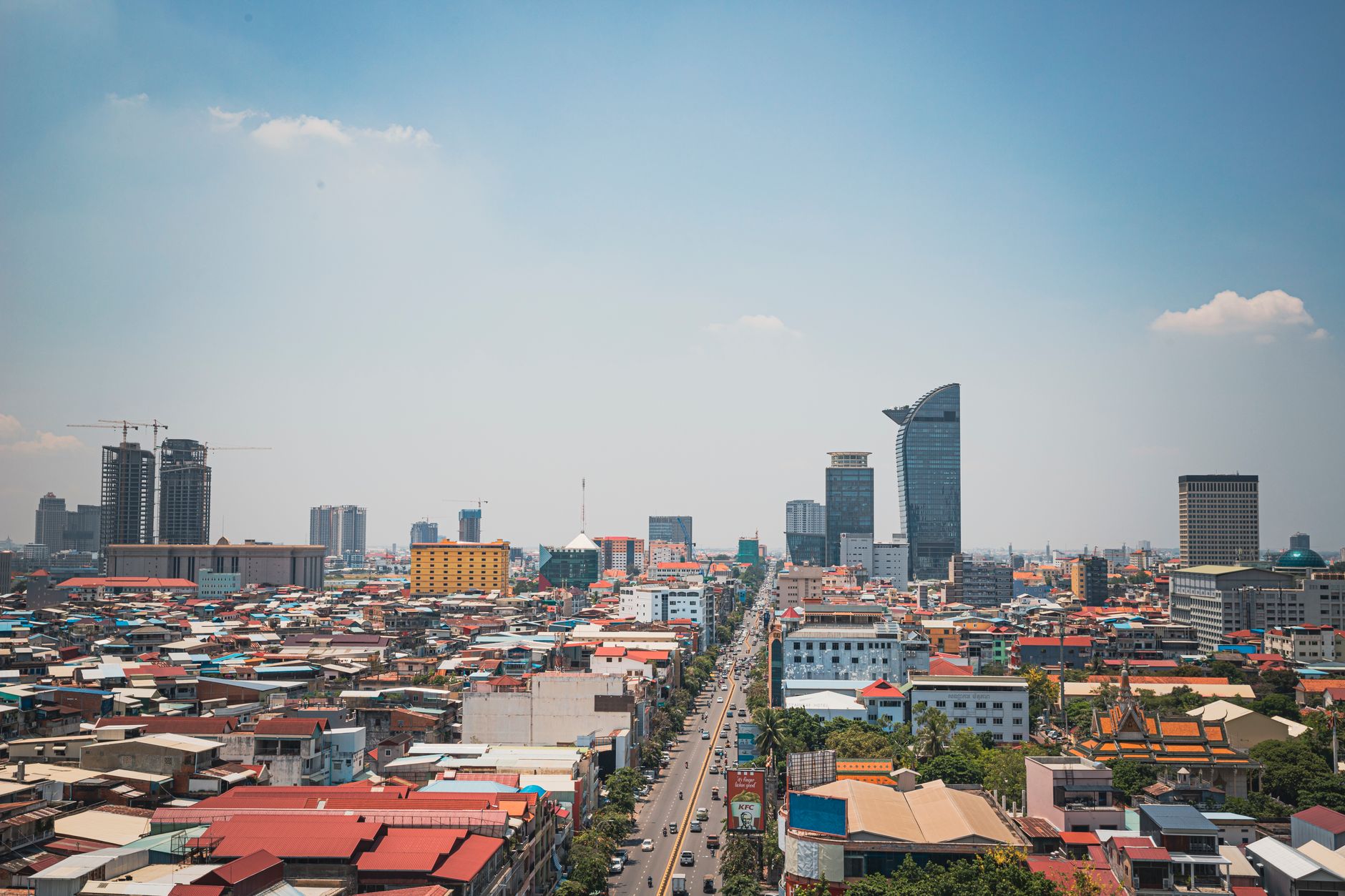
other Sisowath Quay Riverside
Phnom Penh's Evening Promenade Along the Tonle Sap
 other
other BKK1 Rooftop Bars
Phnom Penh's Sky-High Cocktail Scene
 experience
 Bodia Spa — Riverside
Dark-Wood Spa Cocoon Near the Royal Palace
 experience
 Nataraj Yoga
Phnom Penh's Longest-Running Yoga Studio
Browse by interest
Explore Phnom Penh by Experience
Ready to go?
Ready to Visit Phnom Penh?
Browse itineraries that include Phnom Penh or start planning your perfect Cambodia trip.
Getting Here
How to Get to Phnom Penh
By Bus & Minivan
Air-conditioned buses and shared minivans connect Phnom Penh to Phnom Penh and other major cities daily. Buses are comfortable and affordable; minivans are faster. Book through your guesthouse or a local travel agency. Getting Around Cambodia guide →
By Flight
Phnom Penh has a domestic airport with regular connections to Phnom Penh and international flights from major Asian cities. Flying is the fastest option and often affordable when booked in advance.
From Phnom Penh
Phnom Penh is Cambodia's main transport hub. Regular buses, minivans, and taxis depart daily for Phnom Penh. Book in advance during peak season (November–March) to avoid disappointment.
From Bangkok
Bangkok is a popular gateway to Cambodia. Overland crossings at Poipet or Koh Kong connect Thailand, or fly direct into Phnom Penh or Siem Reap with budget airlines like AirAsia or Bangkok Airways.
Timing
Best Time to Visit Phnom Penh
Cool Dry Season
November – February
Cool mornings, clear skies, and ideal conditions for temple exploration and beach days. Peak tourist season — book accommodation in advance.
Hot Dry Season
March – April
Still dry but considerably hotter, with Khmer New Year in mid-April. Fewer crowds than peak season and prices ease slightly.
Green Season
May – October
Afternoon downpours refresh the landscape and bring lush green scenery. Significant discounts on hotels and tours. Some rural roads may be impassable. Temples are quieter and more atmospheric.
Accommodation
Where to Stay in Phnom Penh
Budget
Under $25/night
Guesthouses and hostels near the centre offer clean rooms, free Wi-Fi, and helpful staff who can arrange tuk-tuks and day trips.
Budget tipsMid-Range
$25–$80/night
Boutique hotels and well-appointed guesthouses with pools, air-conditioning, and often a central location. The sweet spot for most travellers.
Browse itinerariesLuxury
$80+/night
Cambodia's luxury hotels are world-class and affordable by international standards — stunning pools, exceptional Khmer cuisine, and attentive service.
Luxury itineraries
FAQ